Our Products
Here at EPM, Inc., our team provides a variety of companies and industries with the seals they need to complete the job at hand. From hydraulic seals to pneumatic seals, you can rely on us to have the type of seal you need in our diverse inventory.
Standard & Custom Hydraulic Seals
Learn MorePneumatic Seals
Learn MoreOil Seal
Learn MorePTFE Seals & Parts
Learn MoreSeal Kits
Learn MorePump & Valve Packaging
Learn MoreGaskets & Gasket Materials
Learn MoreMolded & Extruded Rubber
Learn MoreMechanical Seals
Learn MoreReverse Engineering
Learn MoreSealing Gallery
Learn MoreHigh & Low Pressure Seals
Learn More
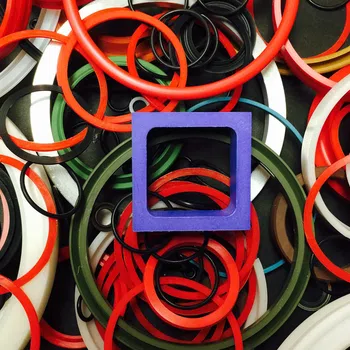


Custom Industrial Seals & Gaskets
Easy Seal & Gasket Reordering
Seal 911 – 24/7 Emergency Industrial Seal Support
Industrial Seal Technical Expertise & Engineering Support
EPM INDUSTRIAL SEALING GUIDE
Explore common industrial sealing questions, understand important selection factors, and learn how EPM can help identify the right sealing solution for your application.
Hydraulic seals are designed to contain pressurized liquids, while pneumatic seals are used in systems powered by compressed air or gas. The two types of seals are designed for different operating pressures, speeds, and application requirements. Choosing the correct seal depends on the equipment design and operating conditions.
Industrial seals should be evaluated when equipment shows signs of leakage, pressure loss, increased friction, unusual wear, or reduced performance. Replacement timing depends on the seal material, operating environment, equipment usage, and maintenance requirements. Identifying the cause of seal failure can help prevent repeat problems.
Useful information includes the seal's dimensions, material, equipment type, operating pressure, temperature range, speed, and the media it contacts. Drawings, photographs, samples, or existing part numbers can also help identify a suitable replacement.
Yes. Custom industrial seals can be manufactured to meet specific dimensions, materials, equipment designs, and operating requirements. Custom solutions are useful when a standard seal does not provide the required fit or performance. EPM can review application details to help determine an appropriate sealing solution.
Seal material selection depends on temperature, pressure, chemical compatibility, friction, wear, movement, and the environment in which the seal operates. Common materials include elastomers, polyurethane, PTFE, and other engineered plastics. The right choice should account for the complete application rather than a single operating factor.
EPM helps customers identify, source, and specify industrial sealing products for a wide range of applications. Providing equipment details, measurements, drawings, or an existing seal sample can help the team evaluate your requirements and discuss potential solutions.
EPM can help evaluate unmarked, worn, or obsolete seals using available measurements, photographs, drawings, or physical samples. Even when an original part number is unavailable, application details and seal dimensions can help narrow down potential replacement options.
Every application has different sealing requirements. EPM can help review your equipment, identify replacement options, and discuss standard or custom industrial seals for your operating conditions.
Industrial Seals & Gaskets: Selection and Application Guide
What Is the Difference Between Hydraulic and Pneumatic Seals?
When Should You Replace an Industrial Seal?
What Information Is Needed to Identify a Replacement Seal?
Can Industrial Seals Be Custom Made?
How Do You Choose the Right Seal Material?
Where Can You Get Help Finding an Industrial Seal?
Can EPM Help Identify an Unmarked or Obsolete Seal?
Looking for the Right Sealing Solution?